
This blog provides a detailed "Ultrasound Equipment Price Matrix," systematically analyzing market prices for different ultrasound machine types and department-specific options. It also provides an in-depth analysis of the key factors influencing equipment prices and potential subsequent expenses, aiming to help buyers fully understand market conditions and make more rational and cost-effective financial decisions.
The price of an ultrasound machine is a major concern for many prospective buyers. However, the price of an ultrasound machine is not fixed; it varies significantly depending on its type, function, and intended use.
The market offers a wide variety of ultrasound equipment, ranging in price from $2,000 for basic portable devices to $300,000 for top-of-the-line trolley-style systems. We will provide this price range based on the type of equipment, its portability, and the medical fields it is applicable to.
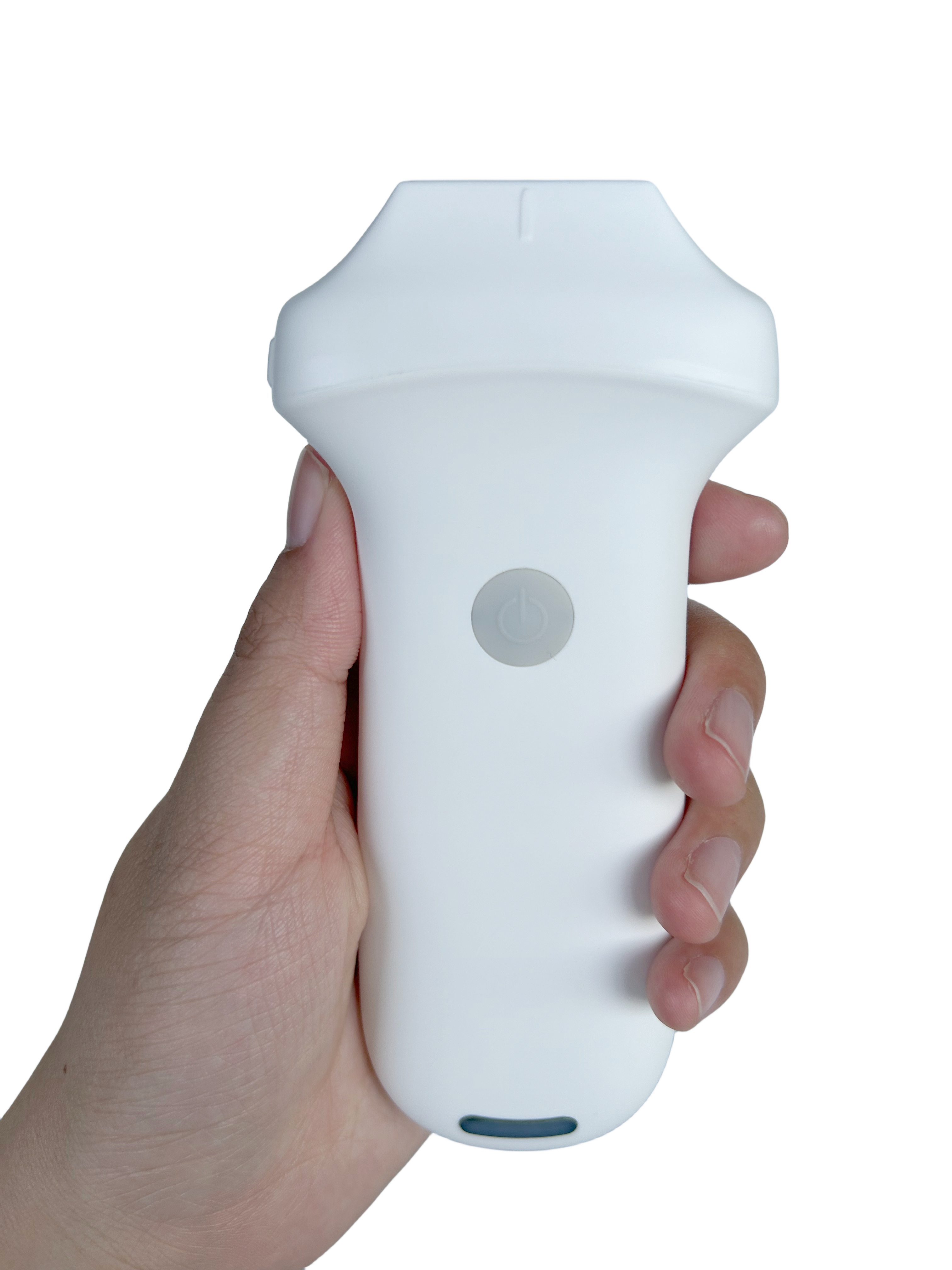
Handheld ultrasound is the fastest-growing category in ultrasound technology. Its value lies in its unparalleled convenience and immediacy. It is generally suitable for rural clinics and veterinary use, and can be connected to a smartphone/tablet or have its own small screen.
Similarly, handheld ultrasounds have a wide price range, depending primarily on the image quality, probe configuration, software features, and brand of the handheld ultrasound.
Entry-level handheld ultrasound systems range in price from $2,000 to $8,000. They offer simple features, typically supporting only B-mode (two-dimensional grayscale imaging) and often come with a single universal probe. Image quality is only adequate for basic screening and educational purposes, and they rely heavily on smartphones or tablets for display.
Entry-level handheld ultrasound systems are often emerging or Chinese brands. The Butterfly Network iQ+ series is also an entry-level handheld ultrasound system, but it typically uses a "hardware + software subscription" model, with an annual subscription fee factored into the total cost. Consequently, image quality lags behind that of high-end brands.
Chinese brands Mindray and KaiLi also offer related product lines, while Foshan ArKang provides ultrasound equipment from brands such as KaiLi and Pioneer. These products are highly competitively priced, offer stable performance in basic imaging, and have an advantageous after-sales service network nationwide. To learn more about Foshan ArKang's ultrasound equipment, please click "Inquiry" to contact us.
Mid-range handheld ultrasound machines are priced between $8,000 and $20,000 USD. They offer significantly improved image quality and include crucial blood flow Doppler functionality, making them suitable for most clinical diagnostic needs.
Brands offering mid-range handheld ultrasounds include Philips Lumify with Reacts and GE Healthcare Vscan Air. However, it's important to note that Philips uses a "subscribe or purchase per probe" model, requiring overall investment based on the number of probes needed. GE Healthcare's prices are higher, and its versatility sacrifices some specialized performance.
The handheld Doppler ultrasound machine from Foshan ArKang is a cost-effective mid-range model that prioritizes portability without compromising diagnostic performance. It provides high-fidelity color Doppler images, making it ideal for rapid and accurate assessment in various clinical applications.
High-end handheld ultrasound machines typically cost over $20,000 USD. Their image quality rivals that of portable ultrasound machines, offering specialist-grade solutions and a comprehensive selection of probes, making them suitable for professional clinical diagnosis.
Major brands of high-end handheld ultrasound machines include GE Healthcare's Vscan Air series and Butterfly Network's iQ+ series. However, due to their exorbitant price, high-end handheld ultrasound machines are not the best option for many people from a budget perspective.
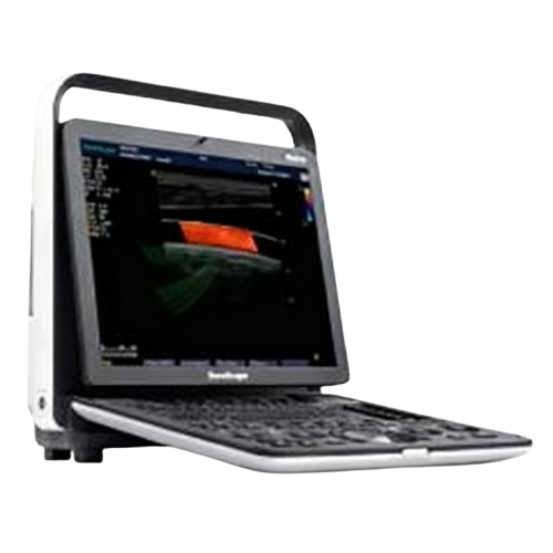
Laptop/portable ultrasound machines are typically more expensive than handheld ultrasound machines, ranging in price from $10,000 to $60,000. Portable ultrasound machines offer superior image quality and cover most clinical diagnostic needs.
The price range for portable ultrasound machines is wide, depending primarily on image quality, probe lineup, software functionality, and brand.
Entry-level portable ultrasound machines range in price from $10,000 to $40,000. They typically come with 1-2 basic probes (such as convex array or linear array), providing clear image quality and basic color Doppler and pulsed Doppler functions, sufficient for routine basic diagnoses (such as abdominal, obstetric, and small organ examinations).
Entry-level portable ultrasound machines are mostly from Chinese brands (such as Mindray, KaiLi, and XiangSheng) or entry-level series from international brands, offering competitive pricing. At Foshan ArKang Biotechnology Co., Ltd., you can not only purchase portable ultrasound equipment from brands like Pioneer and KaiLi at highly competitive prices, but our excellent warranty and after-sales maintenance services are also a key guarantee of our customer reputation. ⮕Contact Us
Mid-range portable ultrasound equipment is priced between $40,000 and $80,000. This segment is generally the mainstream market, highly competitive, and offers excellent image quality. It can be equipped with a comprehensive array of probes (convex array, linear array, phased array, intracavitary, etc.) to meet the needs of multiple departments.
Brands offering mid-range portable ultrasound equipment include GE Healthcare (Voluson series), Philips (EPIQ series), Siemens Healthineers (ACUSON series), and Canon Medical Systems (Aplio series).
The premium segment of portable ultrasound machines is typically priced between $80,000 and $150,000+. These high-end portables deliver image quality on par with, or even comparable to, premium cart-based systems, offering exceptional resolution, penetration, and contrast. They are equipped with state-of-the-art technologies, including advanced 4D imaging, contrast-enhanced ultrasound, sophisticated elastography, and AI-optimized imaging. Furthermore, they support a comprehensive range of specialized probes and advanced software options, catering to the most demanding clinical specialties such as high-risk obstetrics (fetal echocardiography), cardiology, and radiology.
High-end portable ultrasound brands mainly include GE Voluson E10/SWIFT, Philips EPIQ (all-in-one), and Siemens Sequoia. If you are an obstetrician and gynecologist, GE Voluson is usually the first choice; if it is a general hospital shared by multiple departments, Philips EPIQ or Siemens Sequoia may be more balanced.
In general, the cost of portable ultrasound largely depends on the probes you need. A cardiac probe and a 4D volumetric probe are very expensive. Therefore, when choosing a high-quality refurbished machine, costs can be saved by 30%-50%, making it a cost-effective option for many clinics and hospitals. Alternatively, Foshan ArKang Biotechnology Co., Ltd. is another option. ArKang has been exporting medical products for over 23 years and has extensive experience in the medical field, making it a cost-effective choice for many hospitals and clinics.

The price range for trolley ultrasound is from $30,000 to over $150,000. Its applications cover all clinical scenarios that require in-depth and accurate diagnosis, and it is indispensable in the following areas: such as core radiology and accurate diagnosis, advanced cardiac function assessment, high-end obstetrics and gynecology and fetal medicine, and specialized vascular and musculoskeletal nerve research.
Mid-range cart-type ultrasound machines are priced between $50,000 and $120,000. They offer excellent image quality and can meet approximately 80% of routine and some specialist diagnostic needs. Brands such as ArKang's SonoScape series, GE Logiq E series, Philips Affiniti 70, Siemens ACUSON NX/SX series, Canon Aplio i series, and Mindray Resona series are common choices for mid-range cart-type ultrasound machines. This price range is also a major battleground for competition between international brands and high-end domestic brands.
High-end trolley ultrasound machines range in price from $120,000 to $250,000. These machines offer top-tier image quality and are designed for the extreme diagnostic needs of specific specialties. Their software features are also extremely comprehensive, typically including cutting-edge technologies such as ultrasound contrast imaging, advanced cardiac quantification, automated fetal cardiac navigation, and ultra-microvascular imaging.
Regarding brands, for example, the GE Voluson E10 is recommended for obstetrics and gynecology departments, as this model enjoys an absolute reputation in the field. For cardiology, the Siemens ACUSON Sequoia series is recommended, as it is known for its excellent penetration and homogeneity, making it suitable for cardiology.
In the research field, cart-type ultrasound systems represent the pinnacle of cart-type ultrasound technology. They are typically customized to the specific research needs of leading medical institutions, integrating cutting-edge research technologies and platforms, such as image fusion and interventional navigation systems. Examples include the Philips EPIQ CVx (for leading cardiac research) and the GE Vivid E95 (a flagship cardiology system), both suitable for research applications.
Cart-type ultrasound machines are generally suited for specialized departments, so it's crucial to clearly define the primary application department when purchasing one. For instance, a top-of-the-line obstetrics and gynecology machine (GE Voluson E10) and a top-of-the-line general radiology machine (Philips EPIQ) have completely different focuses.
It's also important to understand that the total cost of a cart-type system heavily depends on the probe configuration. A high-end cardiac probe or 4D volumetric probe can cost as much as $15,000 - $30,000. A complete probe set can exceed the price of the main equipment.
For buyers with limited budgets who require high performance, refurbishing high-end cart-type equipment is a highly valuable option. A device that originally cost $150,000 might only cost $70,000-$90,000 after refurbishment, and it would come with a warranty.
The required ultrasound capabilities vary across different medical specialties, resulting in significant price differences.
Ultrasound equipment for veterinary hospitals is generally less expensive than in other fields. Handheld veterinary ultrasound machines, suitable for fieldwork or basic scans of large animals such as horses, typically cost around $5,000. Wheeled ultrasound systems used in veterinary clinics typically cost over $40,000.
Radiology departments generally use high-end wheeled ultrasound systems, requiring multiple probes and all available software applications, with costs typically ranging from $70,000 to $150,000.
Obstetrics and gynecology departments require 3D/4D ultrasound capabilities, making mid-to-high-end wheeled systems standard, priced between $40,000 and $100,000.
Echocardiography (cardiac imaging) requires highly specialized ultrasound machines, thus the cost is typically very high, ranging from $80,000 to over $250,000.
Ultrasound machines used for different purposes typically have different functions, resulting in price variations. For example, a good laptop or portable ultrasound machine with two or three probes is sufficient for general practice, while specialized ultrasound machines are usually more specialized and therefore more expensive.
In terms of type, cart-mounted ultrasound machines generally offer better performance and clearer, more stable images than handheld models; therefore, cart-mounted ultrasound machines are generally more expensive.
Another important factor affecting ultrasound costs is the probe, which can be wireless or wired. For example, adding a high-frequency linear probe and a curved probe may increase the cost by $2,000 to $10,000 or even more. The price of a wireless probe is usually about twice that of a wired probe of the same specifications.
Factors affecting image quality include resolution, frame rate, Doppler capability (color, power, spectrum), and tissue harmonic imaging. Naturally, the higher the image quality of ultrasound, the higher the price. In terms of functionality, the price difference between basic two-dimensional Doppler imaging technology and advanced artificial intelligence tools can be $5,000 to $30,000.
Some ultrasound brands have earned a strong reputation in the market through years of operation and sales. For example, GE Healthcare, Siemens Healthineers AG, and Philips Healthcare all enjoy a good reputation in the field, and the quality of their ultrasound equipment is undoubtedly excellent. However, as their brand recognition grows, so does their brand premium. In recent years, with changes in the market environment, many ultrasound companies have sprung up like mushrooms after rain. ArKang Biotechnology Co., Ltd. is a prime example. It has quickly won unanimous praise from numerous overseas customers through competitive prices, high-quality products and services, and after-sales support. When you have a limited budget, buying a big-name ultrasound brand may not be the best choice. In that case, choosing an emerging company like ArKang or opting for refurbished equipment are good alternatives. ⮕Contact Us
Market research shows that in the mid-range ultrasonic machine market, new ultrasonic machines are priced between $15,000 and $60,000, while refurbished ultrasonic machines are priced between $25,000 and $35,000, and used ultrasonic machines are priced between $15,000 and $25,000.
In the ultrasound machine market, both refurbished and used options offer significant cost advantages over new models. Typically, a certified refurbished ultrasound machine undergoes a comprehensive process by specialized technicians to restore its performance to original manufacturer standards, both technically and cosmetically. The cost of such a unit depends on the extent of work required but generally represents a 50%-60% saving compared to a new ultrasound machine. In contrast, a used ultrasound machine is sold 'as-is,' transferring directly from the first to the second owner without professional reconditioning, making it the most affordable category among the three.
Of course, purchasing ultrasonic equipment is only a one-time investment; there are a series of ongoing costs that need to be included in the budget. These "hidden costs" are crucial for the normal operation and continued value of the equipment.
To ensure the safe delivery of your sonogram machine to your hospital or clinic, please note that shipping and installation fees may apply. These costs vary depending on the carrier and method (land or air), and are set by the manufacturer or supplier. Additionally, if you require professional assistance to integrate the new sonogram machine with the manufacturer's online resources or your hospital's data systems, an installation fee will be incurred. We strongly recommend inquiring about all potential charges upfront to ensure they align with your project budget.
This is the most significant and ongoing cost. Ultrasonic equipment is a precision instrument that requires regular calibration and maintenance. This typically includes scheduled preventive maintenance, software upgrades, parts replacement, and emergency repair services. Although a maintenance contract may cost 5%-10% of the original equipment price per year, for a precision instrument like ultrasound, a major probe or motherboard repair could cost tens of thousands of dollars without a maintenance contract, which is clearly not worth the cost. Therefore, although purchasing a maintenance contract will increase the initial cost, it is definitely a worthwhile expense.
After purchasing an ultrasound machine, employees also need to receive relevant training, which affects subsequent work efficiency and inspection accuracy. The training cost is usually between US$700 and US$3,000. Employees who have received training can avoid greater losses due to improper operation.
Some components, such as probes, may need to be replaced over time. As your practice grows, you may need to add new examinations (for example, initially performing only abdominal procedures but now requiring vascular procedures). This requires purchasing new, specialized probes, a significant additional expense. Probes are also the most delicate and fragile components in ultrasound systems, prone to damage from drops, bumps, and other factors. Repairing a single probe can cost thousands or even tens of thousands of dollars, so it's wise to purchase additional insurance or include it in a service contract.
Additional hardware accessories, such as ultrasound printers and consumables, are also potential expenses for continued ultrasound use.
When selecting an ultrasound machine, the primary determinant should be your clinical requirements, including the specific department and intended applications. If the initial budget is constrained, considering a refurbished or pre-owned ultrasound machine can be a viable alternative. Regarding brands, if concerns about premium brand costs arise, emerging companies like Foshan ArKang Biotech offer compelling options. Beyond highly competitive pricing, they deliver unexpected positive surprises in both product quality and after-sales support.
Of course, when purchasing an ultrasound machine, don't just focus on the price of the bare unit. Be sure to request a detailed total cost of ownership (TCO) list from the supplier, clearly understanding the annual service contract fees, recommended brands and approximate prices of consumables, and the approximate costs of future software upgrades and probes. This will help you make more comprehensive and rational financial decisions, avoiding financial difficulties due to unexpected expenses later on.
The price of an ultrasound machine varies depending on the brand, features, and specifications. Basic portable ultrasound machines start at around $2,000, while top-of-the-line cart-type ultrasound machines can cost as much as $300,000.
Clinical ultrasound machines will require prescriptions or medical license before purchase. Good news is, home ultrasound units can be purchased by by anyone .
It depends on your diagnostic needs. The most basic portable ultrasound provides clear image quality sufficient for routine basic diagnoses (such as abdominal, obstetric, and small organ examinations).
Ultrasound uses sound waves, not radiation. Most of the energy is reflected or scattered; at diagnostic intensities following standard guidelines, no tissue damage has been observed.
Possible side effects:
Warranty policies differ between brands. Foshan ArKang Biotechnology Co., Ltd. is committed to providing excellent after-sales service. Its ultrasonic equipment enjoys a standard warranty period of 1-2 years and provides professional installation and commissioning services to ensure worry-free use by customers.
Foshan ArKang Biotechnology Co., Ltd. has won praise from many customers for its affordable prices and high-quality service. With 23 years of experience, ArKang provides one-stop solutions for product sales, transportation, and after-sales service, saving you time and money.
Whatsapp:17728302681
Email:fataillll@fatal.com.cn
Follow Us


