
Rural clinics face unique challenges that define their need for a reliable portable x ray machine. These facilities often serve scattered populations across large geographic areas, with limited access to larger hospitals or specialized radiology services. Power supply can be inconsistent—many rural clinics rely on intermittent electricity or backup generators—so energy efficiency is non-negotiable. Additionally, rural healthcare teams are often small, meaning staff may have limited training in advanced imaging equipment, so ease of use is critical. Budget constraints are another common hurdle: rural clinics typically operate with tighter financial margins, making cost-effectiveness a top priority. Unlike urban facilities, rural clinics can’t afford to invest in multiple imaging devices, so a versatile x ray machine portable must handle a wide range of cases, from childhood fractures to adult chest infections.
For rural clinics, a portable digital x ray machine must balance functionality with simplicity and durability. The most essential function is high-quality digital imaging—digital technology eliminates the need for film processing, which saves time and reduces ongoing costs (a major plus for budget-strapped clinics). Aportable x ray machine for rural use should also offer offline image storage, as internet connectivity can be spotty; this ensures that images are not lost if the internet cuts out, and staff can review them later or send them to remote radiologists when connectivity is restored. Battery-powered operation is a must, with a long-lasting battery that can handle 50+ exposures per charge—this avoids reliance on inconsistent power sources. The device should be lightweight (under 30 pounds) for easy transport between exam rooms or even to home visits, as some rural patients can’t travel to the clinic. Basic AI-powered image enhancement is a useful bonus, as it helps staff identify abnormalities even with limited radiology training. Finally, the x ray machine portable should be compatible with basic picture archiving and communication systems (PACS), allowing clinics to share images with specialists at larger hospitals for second opinions.
When evaluating a portable x ray machine for a rural clinic, start with durability. The device should be rugged enough to withstand occasional bumps or drops, as rural clinics may have uneven floors or limited storage space. Look for models with a dustproof and splash-proof design (IP65 rating or higher) to handle harsh rural environments. Next, assess energy efficiency—choose aportable digital x ray machine with low power consumption, so it can run on backup generators without draining power quickly. Ease of use is another critical factor: the interface should be intuitive, with simple touchscreen controls and pre-set imaging modes (e.g., “chest,” “extremity”) that reduce human error. Battery life and charging time are also important—opt for a battery that charges fully in under 2 hours and lasts for a full day of use. Cost is, of course, a key consideration, but avoid sacrificing essential features for a lower price; a cheap portable x ray machine with poor image quality will lead to misdiagnoses and costly referrals. Finally, check for reliable after-sales service—rural clinics can’t afford long downtime if the device breaks, so choose a manufacturer with a local service network or fast shipping for replacement parts.
For rural clinics, the ROI of a portable x ray machine is measured in both financial and clinical terms. Financially, aportable digital x ray machine eliminates film and processing costs, which can save $500–$1,000 per month for small clinics. It also reduces referral costs—instead of sending patients to larger hospitals for imaging (which often requires transportation assistance and lost revenue from missed follow-up visits), the clinic can perform imaging on-site. This keeps patients in the community and increases patient retention, boosting long-term revenue. Clinically, a x ray machine portable improves diagnostic accuracy, which reduces misdiagnoses and avoids unnecessary treatments (e.g., prescribing antibiotics for a viral infection instead of a bacterial one). This not only improves patient outcomes but also reduces liability risks. Most rural clinics recoup their investment in aportable x ray machine within 12–18 months, thanks to these cost savings and revenue gains. For clinics serving underserved areas, the ROI also includes intangible benefits, like improving access to care and building trust with the community.
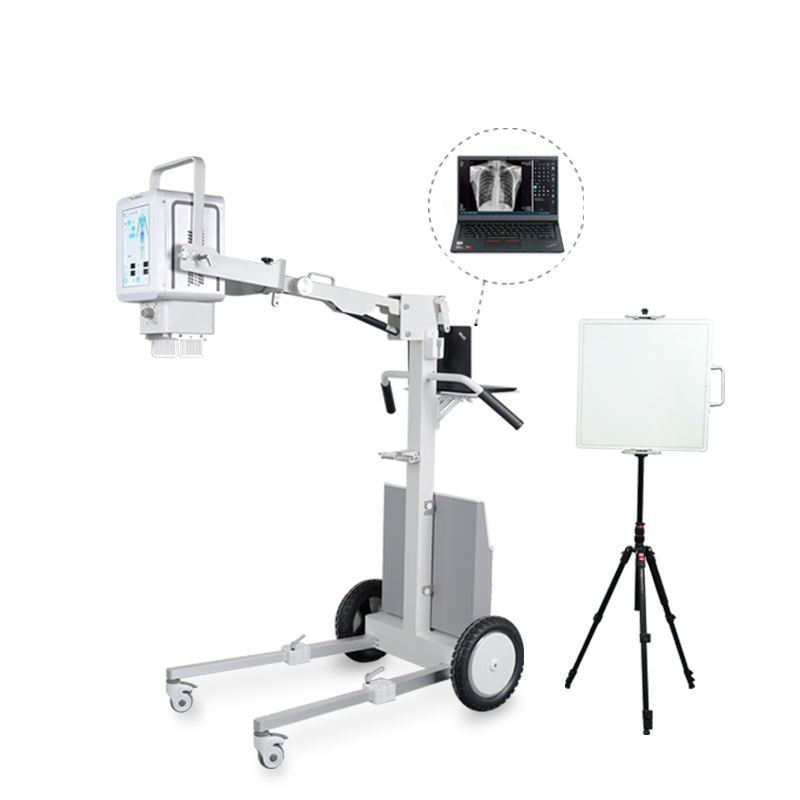
The AKK056-PE is the optimal choice for rural clinics in 2026. This compact, cost-effective, portable digital X-ray machine is designed for resource-constrained environments, perfectly meeting the core needs of rural clinics. The device features an impact-resistant aluminum alloy shell with an IP67 protection rating, allowing stable operation in temperatures ranging from -10℃ to 50℃ and protection against rain, dust, and impacts. Weighing only 13 kg, it includes an ergonomic handle for easy carrying by rescue personnel across complex terrain. A maximum output power of 5.6kW ensures clear, diagnostic-quality images, and its dual focal lengths (0.6mm/1.8mm) are suitable for various imaging applications. Imaging is extremely fast, completing image capture and processing within 8 seconds. Equipped with a 17×17-inch flat panel detector, it boasts a resolution of 3072×3072 pixels, delivering excellent image quality. With its intuitive laptop interface, 14-inch display, compatibility with most PACS systems, and a price range of $5,000-$10,000, the AKK056-PE is an ideal portable X-ray machine for rural clinics seeking a balance between cost-effectiveness and practicality.
EMS teams rely on a portable x ray machine to provide life-saving care in high-pressure, dynamic environments—from accident scenes to emergency transport vehicles. The biggest special need for EMS is speed: every second counts in emergencies, so the x ray machine portable must deliver fast imaging to help responders make quick treatment decisions. Durability is another critical requirement—EMS devices are exposed to extreme conditions, including rain, dust, vibrations, and temperature fluctuations, so they must be rugged enough to withstand harsh use. Portability is essential, as EMS teams need to carry the device up stairs, across rough terrain, or into tight spaces (e.g., cars, apartments). Additionally, EMS portable x ray machine units must produce high-quality images even in suboptimal lighting, as emergency scenes are rarely well-lit. Finally, the device must integrate seamlessly with hospital systems, so images can be sent to the emergency department ahead of the patient’s arrival, speeding up treatment.
A portable digital x ray machine for EMS must prioritize speed, durability, and connectivity. The most essential function is rapid imaging— the device should capture and process images in under 10 seconds, allowing EMS teams to make immediate decisions (e.g., whether a patient has a life-threatening chest injury or spinal fracture). A rugged, shockproof design is non-negotiable, with an IP67 rating or higher to resist water, dust, and impacts. Wireless connectivity (Wi-Fi 6 or Bluetooth 5.0) is critical, as it enables real-time image transmission to hospitals—this means emergency department staff can review images before the patient arrives, preparing for surgery or other interventions. A long-lasting, hot-swappable battery is another must-have: hot-swapping allows EMS teams to replace the battery without powering down the device, ensuring continuous use during long shifts. The portable x ray machine should be lightweight (under 25 pounds) for easy carrying, with a ergonomic handle for comfort during transport. Basic AI-powered fracture or lung nodule detection is a valuable feature, as it helps EMS teams quickly identify critical abnormalities.
When purchasing a portable x ray machine for EMS, durability should be your first priority. Look for models built with military-grade materials, shockproof casings, and weatherproof seals to handle the rigors of emergency response. Test the device’s weight and ergonomics—EMS staff will carry it for extended periods, so a lightweight, balanced x ray machine portable reduces fatigue. Next, evaluate imaging speed: choose aportable digital x ray machine with fast exposure and processing times (under 10 seconds) to avoid delaying care. Battery performance is crucial—opt for a battery that supports 100+ exposures per charge, with hot-swappable capability for continuous use. Wireless connectivity is another key factor: ensure the device can connect to hospital PACS systems seamlessly, even in remote areas. Ease of use is important too—EMS teams work under stress, so the interface should be simple, with one-touch imaging modes. Finally, check the manufacturer’s after-sales service: EMS can’t afford downtime, so choose a brand with 24/7 technical support and fast replacement parts.
For EMS providers, the ROI of a portable x ray machine is primarily about improving patient outcomes and reducing healthcare costs. By providing on-scene imaging, EMS teams can make more accurate treatment decisions, which reduces the risk of complications (e.g., missing a spinal fracture and moving the patient incorrectly). This leads to lower hospital readmission rates and reduced liability costs for EMS agencies. Real-time image transmission also speeds up hospital treatment, reducing the time patients spend in the emergency department—this lowers hospital costs and improves patient satisfaction. Additionally, a portable digital x ray machine eliminates film costs, which saves EMS agencies $1,000–$2,000 per month. For rural EMS teams, the device reduces the need to transport patients long distances for imaging, saving fuel costs and freeing up ambulances for other calls. While the upfront cost of a high-quality x ray machine portable is higher (typically $30,000–$50,000), the ROI is realized quickly through improved efficiency, reduced costs, and better patient care—most EMS agencies recoup their investment within 24 months.

The AKF16PD is the preferred model for EMS scenarios in 2026. This rugged, portable digital X-ray machine is designed for emergency rescue and military applications, adaptable to various extreme emergency environments. The device features an impact-resistant aluminum alloy shell with an IP67 protection rating, allowing stable operation in temperatures ranging from -10°C to 50°C, and is resistant to rain, dust, and impacts. Weighing only 7 kg, it includes an ergonomic handle for easy carrying by rescue personnel across complex terrain. Its built-in high-capacity battery supports over 200 exposures, sufficient for all-day diagnostic needs. Imaging is extremely fast, completing image capture and processing within 8 seconds. Equipped with a user-friendly touchscreen, it is easy to operate even for medical personnel lacking specialized training. The system integrates a 1.6kW high-frequency X-ray generator, a telescopic stand, a sensitive touchscreen control panel, and advanced imaging software. It supports multiple flat panel detectors and wireless and wired exposure control, operable via a manual switch or a remote control up to 315 meters away. Priced between $4,599 and $10,000, these products support offline image storage and basic PACS integration for convenient remote consultations, making them an ideal choice for EMS organizations seeking speed, durability, and reliability.
Veterinary practices require a specializedportable vet x ray machine that can adapt to the unique challenges of animal care. Unlike human patients, animals can’t follow instructions, so the portable x ray machine must be flexible enough to capture images from multiple angles quickly. Veterinary practices serve a wide range of animals—from small pets (cats, dogs) to large animals (horses, cattle)—so the device must be versatile, with adjustable imaging settings for different sizes. Many veterinary clinics offer mobile services (e.g., farm calls for horses or cattle), so portability and battery life are critical. Radiation safety is another key concern: vets and staff often work in close proximity to animals during imaging, so the x ray machine portable must have low radiation output. Additionally, veterinary clinics may have limited space, so a compact portable digital x ray machine is ideal. Finally, cost is a consideration for small vet practices, so the device should offer value without sacrificing quality.
A portable vet x ray machine must combine versatility, portability, and safety. For small animals, the device should have a small, lightweight detector (10x12 inch) for imaging extremities or dental work, while larger detectors (17x17 inch) are needed for horses or cattle. Digital imaging is essential—portable digital x ray machine technology allows vets to review images instantly, adjust contrast, and zoom in on details (e.g., a tiny fracture in a dog’s paw). Battery-powered operation is a must for mobile vet services, with a battery that can handle 40+ exposures per charge. The portable x ray machine should be lightweight (under 40 pounds) for small animal clinics, or have a portable cart for large animal visits. Adjustable exposure settings are critical, as different animals have varying body densities (e.g., a thick-coated horse vs. a small Chihuahua). Radiation shielding features, such as lead aprons and collimators, help protect staff and animals. Finally, the device should offer basic image storage and sharing, so vets can send images to specialists or share them with pet owners.
When evaluating a portable vet x ray machine, start with detector size and versatility. Choose a model that can accommodate both small and large animals—some x ray machine portable units come with interchangeable detectors, while others have adjustable collimators. Durability is important, as the device may be used in barns, pastures, or other outdoor settings—look for a rugged design with dust and water resistance. Ease of use is another factor: vet staff may not have advanced imaging training, so the interface should be simple, with pre-set modes for different animals (e.g., “small dog,” “horse leg”). Battery life is critical for mobile practices—opt for a battery that lasts for a full day of farm calls, with fast charging capability. Radiation safety features are non-negotiable: check that the device has low radiation output and comes with necessary shielding accessories. Cost is a consideration, but prioritize quality— a poor-quality portable vet x ray machine will lead to misdiagnoses and lost revenue. Finally, ensure the manufacturer offers veterinary-specific support, as human imaging devices may not be optimized for animal care.
For veterinary practices, a portable vet x ray machine delivers ROI through increased revenue, reduced costs, and improved client satisfaction. By offering on-site imaging (instead of referring pets to larger animal hospitals), practices can keep more revenue in-house—imaging services typically cost $50–$200 per visit, which adds up quickly. A portable digital x ray machine eliminates film and processing costs, saving $300–$800 per month for small practices. Mobile vet services, enabled by a x ray machine portable, can expand the practice’s reach to rural areas or clients who can’t transport their animals, attracting new customers and boosting revenue. Improved diagnostic accuracy reduces the risk of misdiagnoses (e.g., missing a tumor in a cat’s chest), which lowers liability costs and improves client trust. Pet owners are willing to pay more for convenient, on-site care, so a portable x ray machine can also allow practices to charge premium prices for mobile services. Most vet practices recoup their investment in 18–24 months, with long-term gains from increased client retention and revenue growth.

The preferred model for veterinary institutions in 2026 is the AK056-PE VET high-frequency portable veterinary X-ray machine. This multi-functional portable digital X-ray machine is suitable for both small and large animals, perfectly meeting the dual needs of veterinary home visits and fixed imaging in clinics. The device features a foldable stand, easily fitting into a car trunk for convenient farm visits. With a tube voltage adjustment range of 40-125 kV and a milliampere-second adjustment range of 0.1-320 mA/s, it flexibly adapts to the imaging needs of various animals such as cats, dogs, horses, and cattle. Utilizing high-frequency technology and outputting 5.6 kW of power, it generates clear, high-resolution digital images, accurately revealing skeletal and soft tissue lesions. It supports integration with digital DR detectors, enabling real-time image viewing and sharing. Intelligent software control of exposure dosage, combined with a high-specification flat panel detector (1717-inch, 3072×3072 pixel resolution), ensures clear imaging with a processing speed faster than 8 seconds, helping veterinarians accurately interpret images. With a price range of $3,000-$3,900, they offer excellent value for money and are suitable for small to medium-sized veterinary facilities.
Dental practices require a specializedportable dental x ray machine that focuses on small, precise imaging of the mouth and jaw. The primary need for dentists is compactness—dental offices are often small, so the portable x ray machine must fit in tight exam rooms without taking up too much space. Precision is another key requirement: dental imaging requires high resolution to detect small cavities, impacted teeth, or bone loss. Radiation safety is critical, as dentists and patients are in close proximity during imaging— the portable dental x ray machine must have ultra-low radiation output. Ease of use is important, as dental staff may use the device multiple times per day, and quick setup ensures smooth patient flow. Many dental practices also offer mobile services (e.g., nursing home visits), so portability and battery life are important for on-the-go dentists. Finally, digital integration is a must—dentists need to store images electronically and share them with patients or orthodontists.
A portable dental x ray machine must prioritize precision, compactness, and low radiation. The most essential function is high-resolution digital imaging—portable digital x ray machine technology for dental use delivers detailed images of teeth, roots, and jawbones, with the ability to zoom in on small details. The device should be extremely compact and lightweight (under 5 pounds) for easy maneuvering around the patient’s mouth—handheld models are ideal for dental use. Low radiation output is non-negotiable: dental portable x ray machine units should emit 50% less radiation than standard dental x-ray machines, protecting both patients and staff. Battery-powered operation is a must for mobile dental services, with a long-lasting battery that can handle 100+ exposures per charge. Wireless connectivity (Bluetooth or Wi-Fi) allows dentists to send images directly to a computer or tablet, where they can be stored, edited, or shared. The device should also have simple controls, with one-touch imaging modes for different dental areas (e.g., “molar,” “incisor”).
When purchasing a portable dental x ray machine, start with image resolution—look for a portable digital x ray machine with a resolution of at least 100 line pairs per millimeter, ensuring that small cavities or bone loss are detected. Compactness and weight are critical: choose a handheld model under 5 pounds, so it’s easy to maneuver around the patient’s mouth. Radiation safety is another top priority—check the device’s radiation output (measured in millisieverts) and ensure it meets FDA or EU safety standards. Battery life is important for mobile dentists—opt for a battery that lasts for 100+ exposures and charges fully in under 2 hours. Ease of use is key: the interface should be simple, with intuitive controls that require minimal training. Digital integration is also important—ensure the device is compatible with dental practice management software, so images can be stored electronically and linked to patient records. Finally, consider the cost of replacement parts (e.g., batteries, detectors) to avoid unexpected expenses down the line.
For dental practices, a portable dental x ray machine delivers ROI through improved efficiency, increased revenue, and reduced costs. Digital imaging eliminates film and processing costs, which can save $400–$900 per month for a busy dental office. The device’s compact size and ease of use speed up patient flow—dentists can see more patients per day, boosting revenue. Mobile dental services, enabled by a x ray machine portable, allow practices to reach new markets (e.g., nursing homes, schools) and attract patients who can’t travel to the office. High-resolution imaging improves diagnostic accuracy, reducing the risk of missed cavities or other issues—this lowers the need for costly retreatments and reduces liability. Patients also appreciate the convenience of on-site imaging, which improves satisfaction and retention. For mobile dentists, the portable x ray machine is a necessity—without it, they can’t offer full services, so the device directly drives revenue. Most dental practices recoup their investment in 12–18 months, with ongoing savings from reduced film costs and increased efficiency.
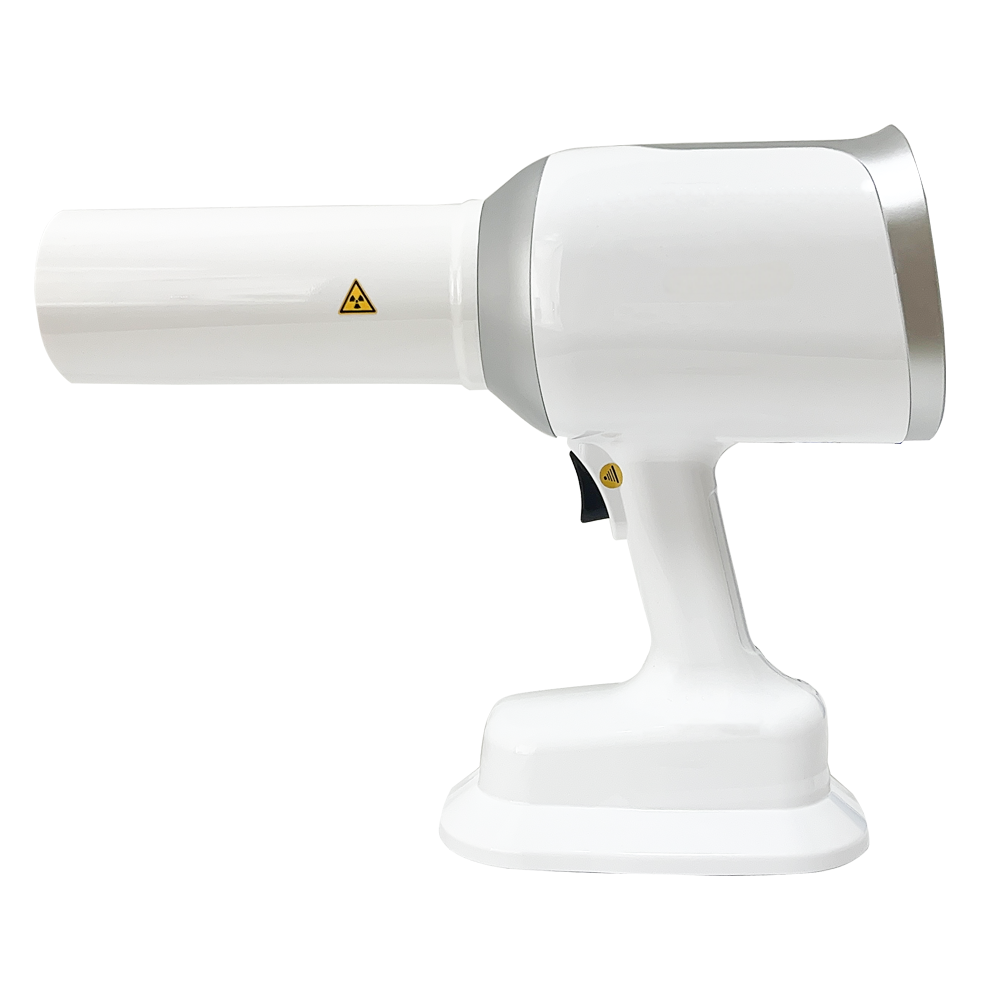
The AKRV-350R portable dental X-ray machine is the top choice for dental applications in 2026. This handheld, portable digital X-ray machine is designed specifically for dental clinics and mobile dentistry, perfectly suited to the precise imaging needs of dentistry. Weighing only 2.8 kg, it is extremely lightweight and can be flexibly maneuvered around the patient's mouth without taking up much space. Arkang's X-ray tube uses solid-state insulated tank cooling technology, extending its lifespan by one-third compared to standard dental X-ray machines, reaching 100,000 exposures. It also provides stable dose rate images and low radiation exposure. Based on silicon carbide MOS 500kHz ultra-high frequency inverter technology, it generates high-quality radiation in the shortest exposure time, minimizing patient X-ray exposure and thus maximizing patient protection. Built-in artificial intelligence software assists dentists in intelligent diagnosis. Compared to similar products from other brands on the market, this portable dental X-ray machine is priced around $3,000-$4,000, offering excellent value for money. It is suitable for small to medium-sized dental clinics and mobile dentists. If your budget allows, you can choose the Planmeca ProOne, a high-end portable X-ray machine equipped with advanced AI imaging capabilities. Priced between $15,000 and $20,000, it can intelligently identify lesions and further improve diagnostic and treatment efficiency.
Field hospitals operate in some of the harshest environments—from disaster zones (earthquakes, hurricanes) to military combat areas—so a portable x ray machine for field use must be extremely rugged and versatile. These facilities are temporary, with limited infrastructure: power is often provided by generators, internet connectivity is spotty, and space is at a premium. Field hospitals treat a high volume of trauma cases (e.g., fractures, gunshot wounds, chest injuries), so the x ray machine portable must handle heavy use and deliver fast, accurate imaging. Staff in field hospitals are often working long shifts under extreme stress, so ease of use is critical. Additionally, field hospitals may serve multiple patients at once, so the device should be able to support multiple users and quick image sharing. Durability is non-negotiable—field hospitals are exposed to dust, rain, extreme temperatures, and even physical damage, so the portable digital x ray machine must be built to withstand it all.
A portable x ray machine for field hospitals must be rugged, high-performance, and adaptable. The most essential function is heavy-duty digital imaging— the portable digital x ray machine should deliver high-resolution images of bones, soft tissues, and internal organs, even for trauma cases. A powerful generator (5 kW or higher) is needed to handle a wide range of imaging needs, from extremity fractures to chest injuries. Rugged construction is a must, with a military-grade casing, IP68 weatherproof rating (fully waterproof and dustproof), and shock resistance to withstand drops or impacts. Battery-powered operation with hot-swappable batteries is critical, as field hospitals rely on generators—hot-swapping ensures continuous use even when recharging. The device should be cart-mounted for easy transport within the field hospital, but still portable enough to move between tents or temporary buildings. Wireless and cloud connectivity are useful, even with spotty internet, as they allow staff to store images and share them with specialists off-site. AI-powered trauma imaging (e.g., fracture detection, lung injury analysis) is a valuable bonus, as it speeds up diagnosis in high-pressure situations.
When evaluating a portable x ray machine for a field hospital, durability is the top priority. Look for models with military-grade construction, IP68 weatherproofing, and the ability to operate in extreme temperatures (-20°C to 60°C). The device should be able to withstand heavy use—choose a x ray machine portable with a robust generator and long-lasting components that can handle 100+ exposures per day. Battery performance is critical: opt for hot-swappable batteries that last for 80+ exposures per charge, with fast charging capability. Imaging speed and quality are important— the portable digital x ray machine should capture and process images in under 10 seconds, with high resolution to detect subtle trauma. Ease of use is key—staff may be exhausted or working under stress, so the interface should be simple, with pre-set trauma modes. Compatibility with portable generators is essential, as field hospitals don’t have reliable grid power. Finally, check for global after-sales service—field hospitals may be located in remote areas, so the manufacturer should offer fast shipping of replacement parts.
For field hospitals, the ROI of a portable x ray machine is measured in lives saved and operational efficiency. A high-quality portable digital x ray machine speeds up trauma diagnosis, allowing medical staff to treat life-threatening injuries faster—this directly improves patient survival rates. The device’s durability reduces downtime, which is critical in field settings where every minute counts— a reliable x ray machine portable ensures that imaging services are always available, even in harsh conditions. By providing on-site imaging, field hospitals reduce the need to evacuate patients to larger facilities, which saves time, resources, and lives. The device’s versatility (handling multiple trauma cases) eliminates the need for multiple imaging units, reducing upfront costs. For military field hospitals or humanitarian organizations, the portable x ray machine is an essential investment in emergency response capability. While the upfront cost is high ($50,000–$100,000), the ROI is immeasurable in terms of improved patient outcomes and emergency response efficiency.
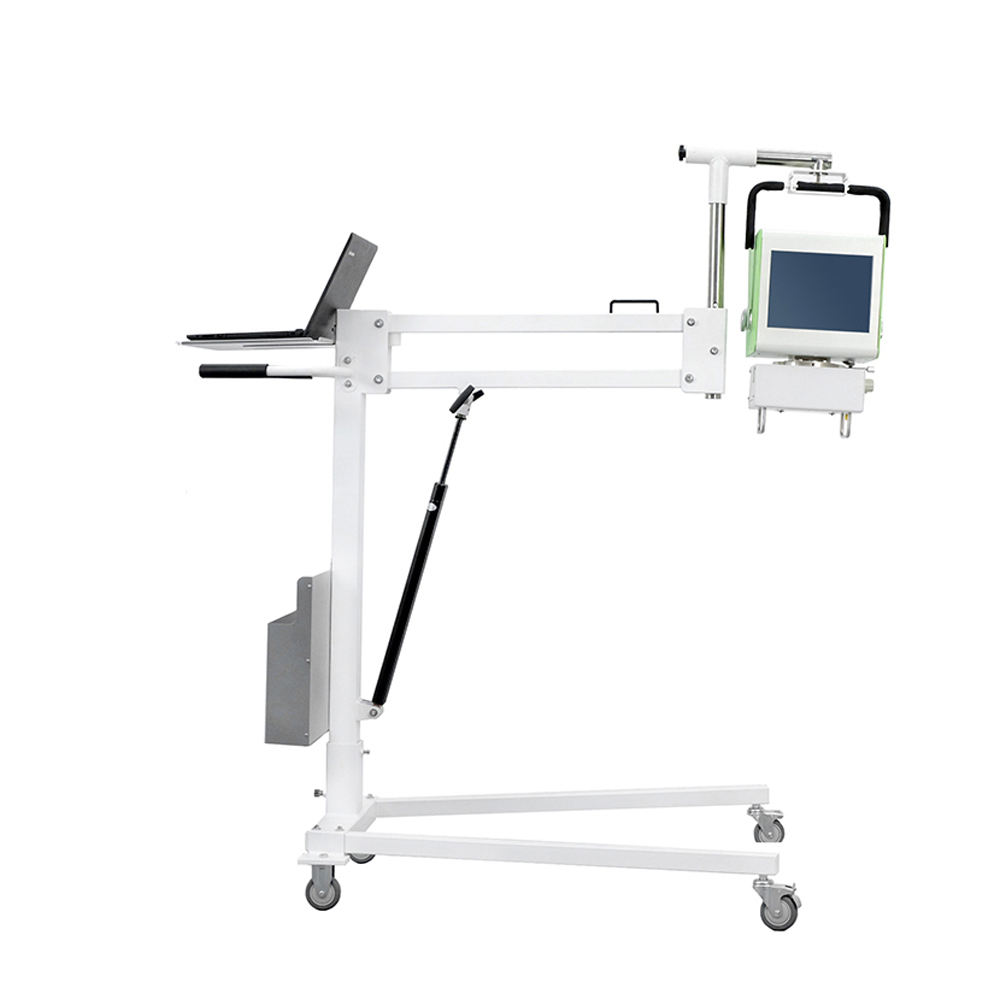
The preferred model for field hospitals in 2026 is the AKX050-A high-frequency portable X-ray machine. This heavy-duty portable digital X-ray machine is specifically designed for military and humanitarian relief operations, perfectly suited to the high-intensity diagnostic and treatment needs in extreme environments. The equipment features a robust aluminum alloy casing with an IP68 protection rating, allowing stable operation within a temperature range of -20℃ to 60℃ and resisting the effects of rain, dust, and impacts. Equipped with a 5.0 kW high-performance generator and a milliampere-second adjustment range of 0.32-315 milliampere-seconds, it can precisely control exposure parameters, enabling high-resolution imaging of various trauma cases and meeting the needs of batch diagnostic and treatment. Built-in high-performance capacitors ensure a stable power supply, preventing downtime during short power outages or equipment relocation. The equipment adopts a trolley design with anti-slip wheels, allowing for flexible movement in complex terrain and adapting to the temporary layout of field hospitals. It supports seamless integration with DR detectors, enabling rapid digital image processing and wireless transmission, is compatible with most PACS systems, and can be powered by a portable generator, adapting to scenarios without a power grid. Priced between $6,000 and $15,000, these are suitable for field medical camps and military rescue teams.
By 2026, portable X-ray machines have moved beyond the era of "one-size-fits-all" solutions. Choosing the right equipment hinges on matching it to your specific usage scenario. Whether it's a rural clinic, emergency medical services, veterinary facilities, dental clinics, or field hospitals, the focus should be on core needs—speed and durability are paramount in emergency situations, resolution and professionalism are crucial for precise imaging, and cost-effectiveness and core functionality are balanced within a limited budget.
Following this scenario-based purchasing guide, selecting equipment that fits your needs will maximize investment value and provide patients or clients with higher-quality, more convenient imaging services. Whether in remote rural areas, emergency rescue sites, dental clinics, or field hospitals, a suitable portable X-ray machine can help you work more efficiently and accurately, delivering higher-quality services in your respective fields.
Yes, portable X-ray machines do exist and are widely used in homes, nursing homes, and emergency rooms for rapid on-site imaging.
Yes, portable X-ray machines are considered safe and effective for diagnostic purposes, provided they are operated by trained professionals following established safety protocols.
Portable X-ray machines use battery-powered, high-frequency generators to produce radiation, which is directed through a patient onto a wireless digital detector.
The weight of portable X-ray machines varies depending on the type, ranging from ultralight handheld devices (3.5-5.5 lbs/1.5-2.5 kg) to large mobile trolley systems (750-1050 lbs/340-477 kg).
Portable X-ray machines typically cost between $20,000 and over $100,000, depending on whether they are new, refurbished, analog, or digital. Entry-level portable X-ray machines usually cost between $40,000 and $45,000, while high-end, high-capacity digital systems can cost over $95,000. Small, dedicated X-ray machines can cost as little as $3,400 to $10,000.
Follow Us


