
X-ray machines are essential equipment in modern hospitals, and cost is a primary consideration when purchasing one. In recent years, advancements in radiographic imaging have driven up the prices of some equipment. Furthermore, purchasing an X-ray machine also involves numerous other costs, making comprehensive considerations crucial.
This guide provides approximate prices for various types of X-ray machines on the market and analyzes the factors that influence their price. We also offer practical tips for managing X-ray machine costs to help you save money. This guide will provide a more comprehensive understanding of X-ray equipment prices and costs. Understanding this information in advance will help you plan your budget appropriately and purchase the most suitable X-ray machine.
The cost of purchasing an X-ray machine will vary depending on its type, size, technology, brand, etc. Generally speaking, the price of an X-ray machine ranges from a few thousand dollars to hundreds of thousands of dollars. The following is a price range for specific types of X-ray machines.
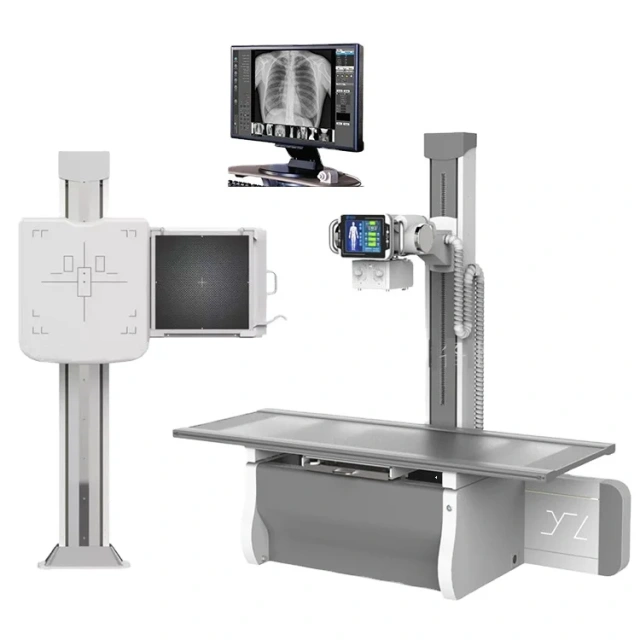
Compared with traditional X-ray machines, digital X-ray machines do not require film, developing chemicals, and other materials for imaging. They have high penetration and excellent image clarity and are widely used in orthopedic, chest, abdominal, and trauma imaging. Digital x-ray machine prices range from approximately $100,000 to $350,000, depending on the size and capabilities of the equipment.
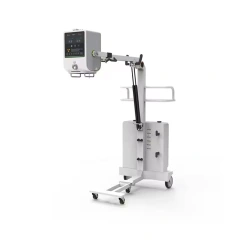
Portable X-ray machines, with their lightweight and compact design, are ideal for emergency, first aid, and field applications. While many believe their imaging capabilities are subpar, portable X-ray machines now offer exceptional performance, providing not only superior imaging clarity but also rapid imaging in critical situations, enhancing workflow flexibility. Most portable X-ray machines can handle chest, abdominal, extremity, dental, and veterinary imaging; many models also offer pediatric/adolescent presettings. Typical portable xray machine prices range from approximately $25,000 to $120,000.
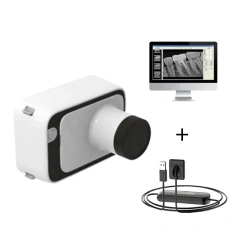
The cost of a dental X-ray machine is influenced by several key factors, including detector technology and system configuration—whether a standalone device or integrated with other dental equipment. Dental X-ray machines are developing very rapidly in today's world, and have basically achieved full digitization, intelligence, and three-dimensionalization. There are different types of dental X-ray machines, such as intraoral X-ray machines and panoramic X-ray machines. Typical prices range from approximately US$5,000 to US$60,000 for intraoral to panoramic systems.
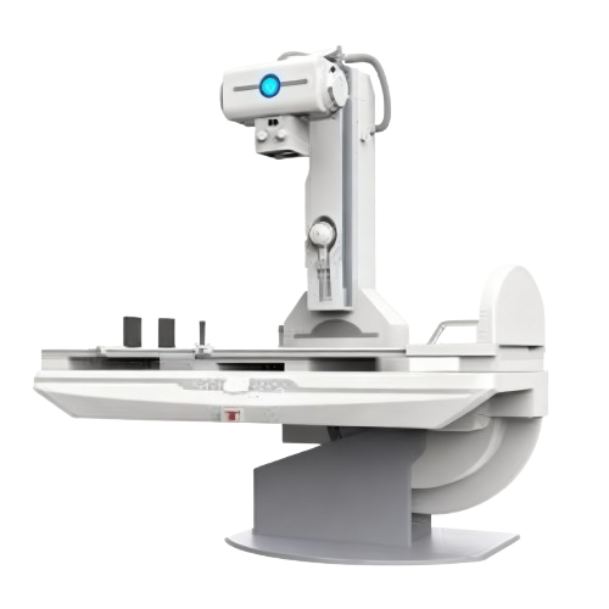
Fluoroscopy machines are different from all other static X-ray devices. They can continuously emit X-rays and capture images at a very high frame rate (usually a few to more than 30 frames per second), thereby generating real-time dynamic images of the movement of internal organs or instruments in the human body. Dynamic physiological processes such as swallowing, joint movement, blood flow (with contrast agents), gastrointestinal motility, etc. can be observed, which cannot be replaced by static imaging such as CT or MRI. Due to the excellent dynamic imaging of fluoroscopy machines, fluoroscopy machine prices are usually higher than other static X-ray machines, and their prices range from US$150,000 to more than US$600,000.
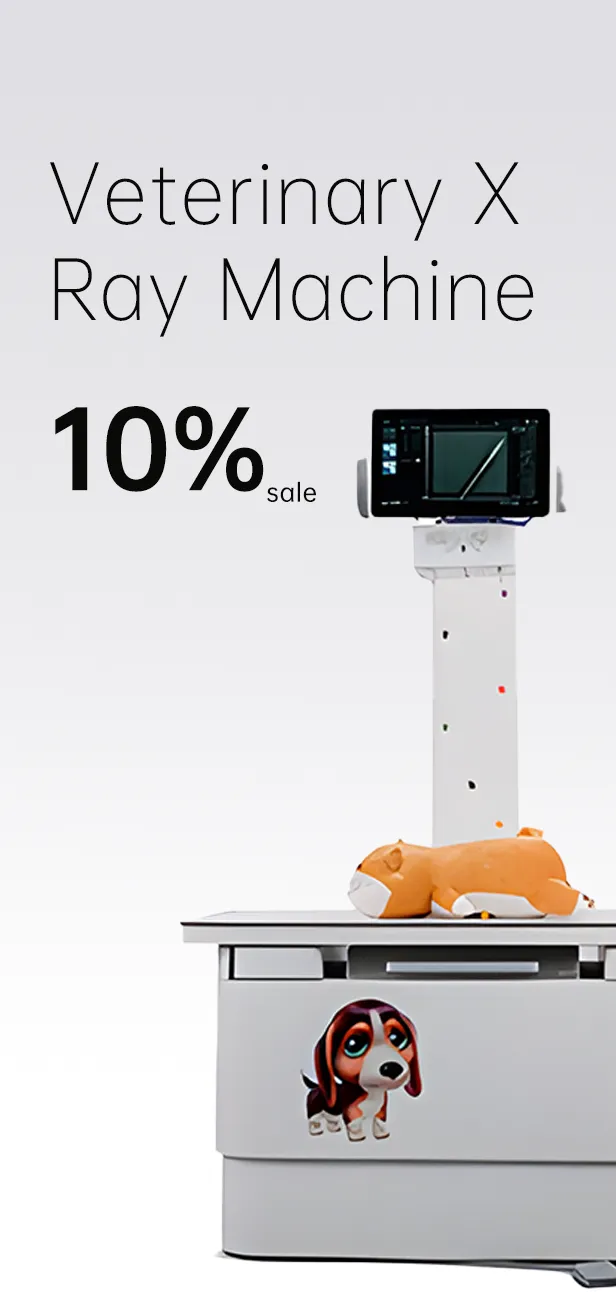
Factors influencing the price of a veterinary X-ray machine are related to imaging range (small animals vs. large animals), detector size, and bed/gantry compatibility. Today's veterinary X-ray machines generally feature digital and instant imaging, and their prices range from $20,000 to $250,000.
ArKang Medical Co., Ltd., a professional X-ray machine manufacturer with 23 years of experience in the X-ray machine industry, is a great place to learn more about X-ray machine prices. Please contact us here for more information.
Budgeting for an X-ray machine involves weighing two key factors: equipment specifications, such as image resolution, processing speed, and ease of use, which directly impact price. Purchasing options, such as whether you're building a new office or upgrading an existing one, can significantly impact the final cost.
By understanding the factors that influence X-ray machine cost, you'll be better equipped to make informed decisions about the right equipment for your business.
The price of an X-ray machine is affected by a variety of factors including hardware, software, services, and regional considerations. Here are some key factors.
A key factor in the decision between portable and fixed X-ray systems is the portable x ray machine cost. While the initial investment for portable systems is often lower, their total cost of ownership can be influenced by higher per-use expenses from consumables and batteries. Fixed systems, on the other hand, require a larger upfront capital outlay but offer higher throughput and larger detectors.
Fluoroscopic X-ray machines have dynamic imaging capabilities and are usually more expensive. Different types of X-ray machines are suitable for different fields. When looking for an X-ray machine, you must first determine the field in which you need to use it. This is crucial to choosing the right X-ray machine.
This is the core reason for the significant price differences within the same device type, directly determining its sophistication and imaging capabilities.
Detector type is one of the largest cost factors. DR flat-panel detectors are more expensive than CR flat-panel detectors, but they offer instant images, lower doses, and faster workflows. Despite this, DR flat-panel detectors are five times more expensive than CR flat-panel detectors. When choosing a detector, consider your specific needs and choose the one that best matches your budget.
Higher spatial resolution and improved contrast resolution also increase costs, so a balance between cost and functionality is crucial when purchasing.
A brand represents market reputation, technological expertise, and a strong service foundation, guaranteeing competitive pricing.
Foshan ArKang Biotechnology Co., Ltd. has earned a strong reputation in the X-ray equipment industry over the past 23 years. In 2006, we exported 125 medical X-ray machines to Congo, setting a record for medical X-ray equipment exports. In 2008, the same customer placed an additional order for 150 X-ray machines and 800 sets of surgical instruments. With over 20 years of experience, our products have been exported to over 160 countries, earning the trust of healthcare providers worldwide.
ArKang adheres to the principle of "Reputation First, Customers First," which is the guiding principle of our after-sales service. We demonstrate our commitment to quality through innovative technology and rigorous testing, ensuring that our digital X-ray products meet industry-leading standards for safety, performance, and reliability. To ensure seamless integration, all systems are pre-commissioned and thoroughly tested before shipment, ensuring they are ready for operation and efficient operation in your clinic.
If you are interested in our products and would like to discuss your requirements in more detail, please contact us here. Learn more about Alcon and our X-ray machines.
When purchasing an X-ray machine, you should consider your actual workspace and practicality. For places with small space and the need for flexible movement, you can choose portable X-ray machines and mobile X-ray machines. The prices of portable X-ray machines and mobile X-ray machines are usually more affordable. Of course, you don’t have to worry about its imaging quality, because the current portable X-ray machines in society have developed to be sufficient to cope with most types of examinations and have excellent imaging quality; for hospitals with large passenger flow, you can choose floor-standing X-ray machines, which usually have better performance, but usually cost more.
It is very important that X-ray machines comply with medical industry standards. This is related to patient safety. When purchasing an X-ray machine, you must comply with local radiation regulations. Obtaining appropriate certification for the X-ray machine may add additional costs to your expenses, but it ensures the reliability and safety of the X-ray machine. In the long run, purchasing an X-ray machine with certification can protect the reliability of your investment.
Manufacturers that provide better after-sales service usually charge higher prices for X-ray machines. Many buyers ignore service contracts in order to control costs upfront. However, in the long run, comprehensive warranty services can reduce future maintenance costs of X-ray machines and ensure the normal operation and diagnostic quality of X-ray machines. Service contract fees may cost you an additional $2,000 to $10,000 per year, but it is definitely a worthwhile investment.
The total cost of ownership of an X-ray machine is much more than the price of the machine itself, it also includes other expenses after the machine is installed.
Installation and maintenance are significant expenses immediately following purchase, including installation and commissioning fees, maintenance, and service contracts.
When purchasing an X-ray machine, you need to consider the additional costs of transporting and installing the machine. These costs vary depending on the machine's size, weight, and transportation route.
Installation costs also vary depending on the complexity of the X-ray machine and the requirements of your facility. Different manufacturers have different pricing strategies: some include installation fees in the total price of the equipment, while others may charge for it as a separate item. To ensure an accurate budget, we recommend that you specifically inquire about the specific installation arrangements when evaluating different options to fully understand the final total cost of the equipment.
To ensure employee safety, after installing the X-ray machine, you must implement shielding and safety measures. This investment is mandatory. For example, barium sulfate mortar or lead sheeting is used on the walls, floors, and ceilings, and lead glass viewing windows and protective doors are installed. This cost can reach tens to hundreds of thousands of RMB.
Software is the "brain" of the device, and its cost is not negligible.
Modern digital X-ray machines rely on a software platform for operation, so regular software updates are crucial. If you purchase an official service agreement, regular security patches and feature updates are generally included at no additional cost. However, core version upgrades or the purchase of specialized modules may incur separate charges.
After purchasing an X-ray machine, personnel training is necessary. Since different X-ray machines have slightly different operating procedures, please confirm whether the manufacturer provides training or if there are additional costs associated with it.
Although this is an additional expense, well-trained personnel can help you avoid unnecessary high risks, improve work efficiency, and ensure customer satisfaction.
Of course, you also need to consider the ongoing operating costs of the X-ray machine, which are expenses that continue to incur throughout the equipment's lifecycle. For example, consumables, such as imaging plates (for CR systems), have a limited lifespan and need to be replaced periodically. If printing is still required, items like film, printing paper, and developer/fixer fluid (for wet printers) are ongoing consumables.
Electricity consumption should also be considered, especially for large equipment like X-ray machines, which consume significant amounts of electricity. You may also want to consider purchasing property insurance for this expensive equipment to protect against unexpected events like fire and flooding.
It's worth noting that while digital X-ray systems have a higher initial investment, their efficient operation can significantly reduce long-term consumable costs, resulting in a better overall return on investment.
When purchasing, you need to determine the type of X-ray machine you need, its size, and its features. You don't need to buy the top-of-the-line model with all the advanced features just for a specific examination you only perform a few times a year. Choose a configuration that is good enough for your core business, not the best.
Considering a refurbished or officially refurbished machine is one of the most effective ways to save money, potentially costing only 30%-50% of a new machine. These used machines have been professionally inspected, repaired, and tested, ensuring they perform to the exacting manufacturer's specifications. However, given their age and potential risks, used systems often incur higher maintenance costs. Therefore, from a lifecycle perspective, the total cost of ownership (TCO) can ultimately be comparable to a new machine.
Of course, if you already have an older machine, ask the vendor if they offer a trade-in, which can directly reduce the cost of a new machine.
With the rapid development of X-ray machine technology, the functions and technologies of most brands of X-ray machines are not much different now. If you only need an X-ray machine with good functions and don’t have any particular brand preference, most brands on the market will meet your needs. Breaking the brand premium and choosing a cost-effective second-tier brand is far more cost-effective than paying the high premium of a first-tier brand.
When negotiating with suppliers, be aware of any hidden costs associated with X-ray equipment.
Request a detailed quote for the X-ray equipment, clearly outlining the equipment price, installation fees, training fees, initial warranty costs, and more. This will help you compare the true differences between quotes and identify which costs can be negotiated or waived.
During negotiations, consider extending the standard one-year warranty to two or three years as a bargaining chip to maximize your value. If you also require other equipment (such as a film processor or PACS workstation), consider negotiating a package deal to secure a discount.
While purchasing a digital X-ray machine may involve a higher initial investment, in the long run, the total cost of ownership is significantly lower than that of analog film systems, thanks to significant savings on ongoing consumables like film, chemicals, and processor maintenance.
When developing your budget, it's crucial to consider the total cost of ownership. A simple estimate is that in addition to the equipment itself, you should budget an additional 15%-30% of the equipment price to cover first-year installation, shielding, initial training, and other expenses. Thereafter, you should set aside an additional 5%-10% of the original equipment price annually for service contracts and ongoing operations. Before making a purchasing decision, thoroughly reviewing and listing all these potential costs with the supplier can help avoid unexpected funding shortfalls later.
Purchasing an X-ray machine is a significant investment, but this guide, outlining the factors that influence its price and including cost-saving tips, will help you gain a clearer understanding and strategy for your purchase.
You can also consider working with a trusted partner like Foshan ArKang Medical Co., Ltd. for an in-depth consultation to learn more about X-ray machine prices and associated costs, helping you make an informed and efficient decision.
We welcome your inquiries to our expert team anytime! Whether you contact us via WhatsApp or fill out our online form, we'll respond promptly. We understand that each client's needs are unique, and we're here to support you and help you find the perfect solution for your clinic.
The average lifespan of an X-ray machine is typically 10 to 15 years, but this depends on maintenance and usage.
The digital x ray machine price for private clinics typically falls between $25,000 and $60,000. For those with budget constraints, refurbished models can be had for less than $20,000.
In many cases, upgrading your existing film system to digital is feasible and can offer significant cost savings compared to purchasing new equipment. We recommend consulting with the manufacturer or authorized supplier to thoroughly evaluate the potential upgrade options for your existing equipment.
DR systems offer superior image quality, imaging speed, and reduced radiation dose, but they require a higher initial investment. In contrast, CR systems offer the advantage of a more affordable entry cost, but their imaging speed is relatively slow, and image resolution is generally lower than that of DR systems.
Yes, X-ray machines require a dedicated room that meets specific safety standards, including radiation shielding and adequate operating space.
ArKang is a leading Chinese medical manufacturer, specializing in X-ray equipment. Choosing ArKang offers the perfect balance of technology, service, and cost-effectiveness. With our leading-edge technology, responsive global after-sales service network, and competitive pricing, we have earned the trust of numerous hospitals, clinics, and research centers worldwide.
Our after-sales support goes beyond repairs; it's a commitment to your long-term success. To ensure your equipment is always in optimal condition, we offer a full lifecycle guarantee, including remote diagnostics, on-site service, annual maintenance contracts, and certified spare parts. We also provide a comprehensive online and offline training system to continuously enhance your team's technical capabilities and maximize your return on investment.


