Dental X-ray machines are essential equipment in dental clinics for diagnosing patients' oral conditions. When choosing the best dental X-ray machine for your clinic, many reputable manufacturers offer high-quality and suitable products.
ArKang is dedicated to helping clients find the ideal imaging solution that meets their current and future needs. Based on in-depth research and comparison of various dental X-ray machines in 2026, our experts have selected the top ten best dental X-ray machine brands and their best-selling models for 2026.
Are you also looking for the right dental X-ray machine for your clinic? We believe this article will provide you with valuable guidance.
1.Planmeca
Founded in 1971, Planmeca is a leading global manufacturer of dental equipment originating from Finland. Since its inception, the company has been committed to deeply integrating advanced technologies (such as microprocessors) with dental equipment to achieve efficient treatment workflows. Its products cover dental treatment units, various X-ray imaging equipment and imaging software, and are sold in more than 100 countries worldwide. Below are three recommended Planmeca models.
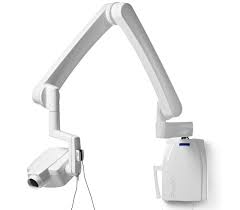
1.1 Planmeca ProX Intraoral X-ray Machine
Reasons for Recommendation:
- Adaptable to various intraoral imaging scenarios: The Planmeca ProX is a highly efficient and advantageous 2D imaging option, adaptable to both short and long cone imaging techniques. Its stable X-ray imaging arm ensures precise and drift-free positioning of its lightweight tip.
- Quick imaging parameter settings: The Planmeca ProX offers preset settings for various exposure combinations. Imaging parameters are automatically acquired based on the selected exposure area and diagnostic requirements. These values can also be manually adjusted as needed.
- Multiple installation options: The Planmeca ProX can be installed in various ways to meet the personalized layout and workflow preferences of any clinic.
Disadvantages:
- As a dedicated intraoral device, its function is primarily limited to capturing localized images of single or a few teeth. For obtaining full-mouth or 3D information, it needs to be used in conjunction with other equipment. In the field of intraoral X-ray machines, its price is positioned at the high end.
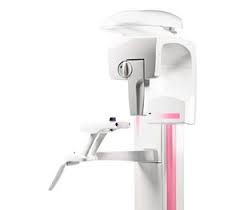
1.2 ProMax 2D Digital Panoramic X-ray System
Reasons for Recommendation:
- The Planmeca ProMax® 2D is a complete maxillofacial imaging system. Its design and operation are based on the latest scientific research and technological innovations. This system meets the most demanding requirements of modern 2D panoramic dental imaging.
- Open Patient Positioning: The Planmeca ProMax's open design provides an unobstructed field of view, helping you to accurately position the patient.
- User-Friendly Control Panel: Features a user-guided interface with preset image types, target areas, and exposure values, saving time and allowing you to focus entirely on the patient.
- Automatic Exposure Adjustment: Features a unique Digital Dynamic Exposure Control (DEC) function that automatically adjusts exposure values based on each patient's anatomy and bone density.
- Full Upgradeability from 2D to 3D: Its modular design allows for easy conversion to different imaging modes. Whether you want to upgrade a 2D device to 3D or add a cephalometric arm, Planmeca offers the right solution.
Disadvantages:
- Its functions are relatively limited, mainly used for two-dimensional panoramic and cephalometric measurements, and it cannot perform three-dimensional CBCT scans. In addition, it is relatively expensive.
2. Dentsply Sirona
Dentsply Sirona is a leading global dental solutions giant, formed in 2016 by the merger of Dentsply (USA) and Sirona (Germany). Similar to Planmeca, the brand boasts an extremely comprehensive product line, covering almost all possible configurations, and many devices support manufacturer upgrades, expandable to 3D or cephalometric imaging capabilities. The company offers complete solutions including X-ray imaging systems, CAD/CAM restoration systems (such as CEREC), and dental treatment units. Below are three recommended models from Dentsply Sirona:
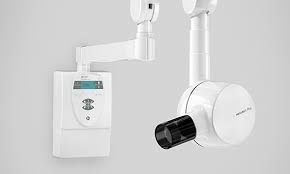
2.1 Heliodent Plus D3507
Reasons for Recommendation:
- Reliable Imaging Quality: Clear digital imaging with low radiation dose
- Flexible Installation: Supports wall mounting, embedded treatment units, and other methods, saving space
- Easy Operation: Intuitive control panel with pre-programmed settings simplifies operation
- Market Proven: "Made in Germany," with over 25,000 units installed globally, demonstrating high reliability
Disadvantages:
- Limited functionality; only used for intraoral local imaging; requires panoramic or CBCT equipment to obtain full-mouth images.
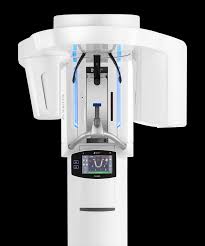
2.2 Axeos CBCT All-in-One System
Reasons for Recommendation:
- Integrates multiple functions: A single device integrates panoramic, cephalometric, and CBCT imaging modes.
- Excellent image quality: Employs Direct Conversion Sensor (DCS) technology to reduce signal loss and obtain high-definition images even at low doses.
- Focuses on patient experience: Features comfort-enhancing designs such as ambient lighting to help alleviate patient anxiety.
Disadvantages:
- High equipment cost and relatively large footprint.
3. ArKang
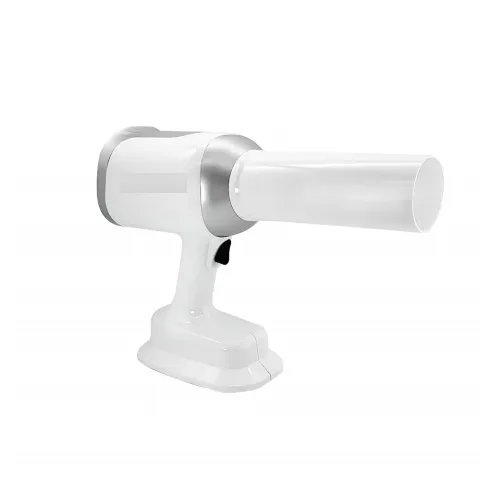
ArKang is a trustworthy brand from China with a significant advantage in the portable dental X-ray machine market. Their portable dental X-ray machines boast the lowest radiation dose on the market while maintaining excellent image quality. Tests have shown that ArKang portable dental X-ray machines have a lifespan one-third longer than similar products from other brands on the market. Here are three recommended ArKang models:
Reasons for recommendation:
- Long lifespan: ArKang's X-ray tubes utilize solid-state insulating oil tank cooling technology, extending their lifespan by one-third to 100,000 exposures compared to standard dental X-ray machines.
- Low radiation exposure: ArKang products provide stable dose rate images and low radiation exposure. Based on silicon carbide MOS 500kHz ultra-high frequency inverter technology, high-quality radiation is generated in the shortest exposure time, minimizing X-ray exposure for the patient and maximizing patient protection.
- AI intelligence: ArKang's sensors come with built-in AI software to assist doctors in intelligent diagnosis.
- Affordable price: Compared to similar products from other brands on the market, this ArKang portable dental X-ray machine is significantly cheaper, offering excellent value for money.
Disadvantages:
- Image clarity is slightly inferior to some top-tier brands.
- The ArKang brand lacks brand recognition in the market.
Reasons for recommendation:
- Adjustable Tube Voltage: Features fully adjustable tube voltage (60-70kV) and current (2.5-3.5mA), producing stable, low-ripple X-ray output for clear, artifact-free images.
- Portability: This dental X-ray machine weighs only 1.8kg, making it lightweight and portable.
- Ergonomic Design: An intuitive touchscreen interface allows for quick parameter selection. The lightweight ergonomic design facilitates handheld operation, while the standard accessory pack (including a remote control, scatter protection shield, and wrist strap) supports both handheld and tripod operation.
- Multiple Versions: Available in human and veterinary versions.
Disadvantages:
- Screen fragility: While convenient, touchscreens are prone to malfunction if dropped or mishandled.
- New market entrant: As a relatively new brand, ArKang's long-term durability is still under evaluation.
4. Woodpecker
Woodpecker products are sold in over 140 countries and regions worldwide, with exports accounting for 60%-70%. It has established a well-known brand in the international market. Its products have passed US FDA certification, EU CE certification, and ISO13485 international medical device quality management system certification, ensuring product reliability and international competitiveness. Below are three recommended models from this brand:
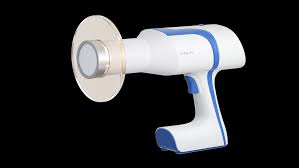
4.1 Woodpecker AiRay Pro
Reasons for recommendation:
- Powerful and efficient: This device has an output power of 70 kV / 3 mA, enabling ultra-fast exposures and minimizing motion blur.
- Fast standby time: The fast charging system means clinicians can briefly charge the battery and then continue working without noticeable delays—ideal for high-traffic clinics.
- Long Battery Life: A 15000mAh high-capacity battery allows for approximately 1500 photos per full charge.
Disadvantages:
- Relatively Heavy: The device, including the protective cover, weighs approximately 6.6 pounds (about 3 kg), which may cause fatigue during prolonged handheld use.
- More Soft Radiation: Compared to ArKang's portable dental X-ray machine, Woodpecker's model is more likely to generate more soft radiation, potentially resulting in higher radiation doses for doctors and patients.
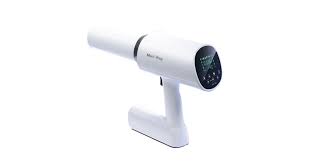
4.2MINI RAY
Recommended Reasons:
- Extremely Portable: Weighing only 2.2kg, it is ideal for mobile use in outpatient clinics, emergency rooms, or small clinics.
- DC High-Frequency Technology: High imaging efficiency.
- Built-in Battery: No need to rely on a fixed power source, allowing for flexible use scenarios.
Disadvantages:
- Image Processing Software is Slightly Inferior.
- Spare Parts Supply: Replacement parts, especially dedicated batteries, may only be available through authorized dealers and are expensive. It is recommended to plan ahead for replacements.
5. KaVo
Headquartered in Biberlach, Germany, KaVo has a long history of expertise in dental instruments, treatment equipment, and laboratory equipment, and is synonymous with high quality and reliability in the global dental industry. To enhance its digital dental imaging solutions, KaVo partnered with Planmeca, a company with extensive experience in digital dental imaging workflows, to launch the ProXam series of dental X-ray machines. Leveraging Planmeca's mature imaging technology and KaVo's own equipment development capabilities, this series also incorporates Romexis integrated imaging software, achieving a high degree of compatibility between the imaging equipment and digital workflows. It covers multiple subcategories, including extraoral and intraoral X-rays, catering to the diverse needs of dental clinics and hospitals. Below are three recommended models from this brand:
5.1 KaVo DEXIS NOMAD Pro 2
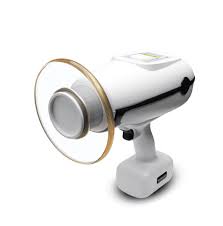
The NOMAD Pro 2 is widely used in dental and veterinary clinics due to its rugged design and reliable performance. The NOMAD Pro 2 features a 60–70 kV DC X-ray generator with an output current of 2.5 mA. Its wireless, handheld design allows for flexible use in various treatment environments.
Reasons for Recommendation:
- Image Quality: High-frequency constant output ensures clear and stable imaging while reducing patient radiation dose.
- Workflow Efficiency: Completely wireless and highly mobile, making it ideal for mobile dentists or treating patients with limited mobility.
- Support and Durability: Manufactured by KaVo, it offers excellent customer service and continuous design improvements.
Disadvantages:
- High Price: This is one of the most expensive handheld X-ray machines, typically costing between $8,000 and $9,000. This price may be prohibitive for small clinics.
- Battery Capacity: Approximately 100 images can be taken per charge, which may be insufficient for high-intensity shooting scenarios.
- Weight and Ergonomics: Weighing 5.5 pounds (approximately 2.5 kg), this product may cause arm fatigue during prolonged use.
5.2KaVo ProXam 3D
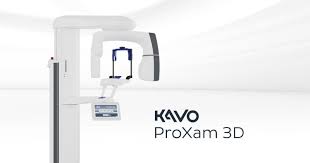
Recommendation Reasons:
- This model is a mainstream choice for mid-range 3D diagnostic needs, balancing diagnostic accuracy with radiation safety.
- Thanks to its ultra-small voxel size, it outputs high-resolution, richly detailed CBCT images while employing ultra-low radiation dose technology. A dedicated pediatric mode further reduces radiation exposure risks for specific populations.
- A single sensor enables switching between 2D and 3D imaging modes without requiring additional parts.
- It can be expanded to include cranial measurement capabilities. Combined with Romexis software, it can quickly perform image analysis, adapting to the diagnostic needs of multiple departments such as dentistry and orthodontics.
Disadvantages:
- Compared to the higher-end 3DQ series, its smaller imaging volume may require multiple image captures and stitching for large-scale jawbone lesions or complex multi-tooth implant planning.
- As a 3D device, its initial purchase cost and subsequent maintenance costs are significantly higher than 2D models, placing a greater burden on the budget of small clinics. It also requires a dedicated reconstruction computer, occupying additional space.
6. Eighteeth
Eighteeth is a dental instrument brand launched in 2016 by Serex (Changzhou) Medical Technology Co., Ltd. The brand focuses on the research and development of various dental equipment and consumables, covering multiple fields such as root canal treatment and imaging. Its HyperLight series dental X-ray machines are characterized by their ease of use and handheld operation. With their high cost-performance ratio and adaptability to various treatment scenarios, they are sold in 141 countries worldwide and are highly favored by small and medium-sized dental clinics and mobile clinics. Below are two recommended models from this brand:
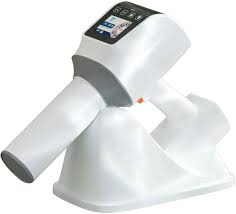
6.1 Eighteeth HyperLight
Reasons for Recommendation:
- Balances imaging and safety; the tiny 0.4mm focal length outputs high-resolution images, clearly showing basic lesions such as tooth decay and periapical inflammation.
- Each charge allows for 400-500 shots, providing several days of easy use without recharging—ideal for mobile clinics or busy clinics.
- The HyperLight weighs only 4 pounds (excluding the mask), making it one of the lightest products in its class.
- Intuitive user interface and intelligent angle monitoring system make it easy for beginners to use, suitable for small clinics and community dental facilities.
Disadvantages:
- Relies on battery power. If the clinic has a high volume of patients, insufficient power may occur, requiring the use of spare batteries. The battery is built-in and not replaceable, so repairs or battery replacements may require sending the device back for repair. The battery warranty is usually shorter than the device's warranty.
- Eighteeth is still in the development stage in some global dental markets. Some clinicians may hesitate due to unfamiliarity with the brand, but early user feedback has been positive.
- This model may not be approved for use in some US states, so be sure to check local regulations before purchasing.
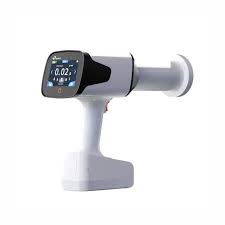
6.2 Eighteeth HyperLight - M
Reasons for Recommendation:
- This model in the series targets mid-to-high-end portable treatment needs, emphasizing intelligent adaptation and efficient treatment, suitable for clinics that prioritize digital workflows and patient efficiency.
- Enhanced intelligent features, likely incorporating an intelligent exposure recommendation system that automatically matches exposure parameters based on tooth type (e.g., incisors, molars) and patient age (adults, children), reducing parameter adjustment time for medical staff.
- It's speculated that it optimizes the human-machine collaboration experience, possibly maintaining the series' lightweight design while enhancing compatibility with digital imaging software. Captured images can be quickly transferred to a computer for analysis and storage, integrating into the clinic's digital medical record management workflow.
Disadvantages:
- As a handheld model, it remains limited to intraoral local imaging and cannot meet the large-scale imaging needs of complex diagnostic and treatment procedures.
- Compared to fixed desktop X-ray machines, its image detail resolution may be slightly inferior, potentially affecting diagnostic accuracy for extremely small lesions such as tooth cracks.
- Its intelligent features will likely result in a higher price than the basic Eighteeth HyperLight model and require a certain level of basic digital operation skills from medical staff; some elderly medical staff may need time to adapt.
7. Carestream Dental
With over a century of industry experience, Carestream Dental holds a significant position in the dental imaging field thanks to its profound technological foundation. Headquartered in Atlanta, USA, the company continuously innovates based on its century-long technological accumulation, capturing 2 billion images annually. Its products encompass intraoral and extraoral imaging equipment and image analysis software, adaptable to various treatment scenarios, and are best-sellers in dental institutions worldwide, making it one of the benchmark brands in the field of dental digital imaging. Below are two recommended models from this brand:
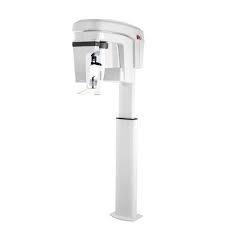
7.1 Carestream CS 8100 evo
Reasons for recommendation:
- This model is a compact 2D panoramic X-ray machine, particularly suitable for small to medium-sized dental clinics and newly established dental institutions.
- Easy installation, featuring a modular installation design, allowing for installation and commissioning in just 20 minutes. The lightweight and compact body, with its robust yet space-saving aluminum casing, adapts to various clinic layouts.
- User-friendly operation: Equipped with an open-face mask positioning system, it allows for rapid patient positioning without laser assistance. The intuitive interface allows medical staff to operate it quickly without complex training.
- Practical imaging: Featuring a new generation flat-panel detector, its innovative curved 2D+ technology enables imaging of specific sections of alveolar bone, meeting the needs of routine 2D diagnosis such as panoramic radiographs and orthodontics.
Disadvantages:
- Only supports 2D imaging and cannot provide 3D image data, making it difficult to meet the precise diagnostic needs of complex conditions such as implant surgery planning and jaw cysts.
- Compared to 3D models, its functional expandability is weaker, only covering basic routine diagnosis and treatment. Clinics with plans to expand into high-end diagnostic services may need to purchase 3D equipment later.
7.2 Carestream CS 9300
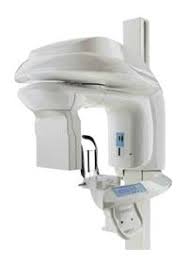
Recommendation Reason:
- This model is a high-end panoramic CBCT all-in-one machine designed for large dental hospitals and multi-specialty treatment centers, capable of meeting the diagnostic needs of complex and difficult cases.
- Exceptionally superior field of view and resolution, offering seven selectable fields of view (5cm×5cm to 17cm×13.5cm), with a maximum resolution of 90μm. It also supports motorized stepless field adjustment, allowing precise adjustment of the scanning range according to treatment needs, reducing patient radiation dose.
- Comprehensive and powerful functionality, featuring One Shoot head-view imaging technology, completing lateral head imaging in just one second. It also includes unique automatic orthodontic marker drawing software that automatically draws 13 anatomical structures and 26 marker points, significantly improving orthodontic treatment efficiency.
Disadvantages:
- Large device size, requiring ample installation space, making it difficult for small clinics to accommodate.
- High purchase price and high maintenance costs, including detector calibration and software upgrades, placing a significant cost burden on institutions.
- Complex operation and parameter settings, requiring professional technicians.
8. Maven Imaging
Maven Imaging is a US-based supplier specializing in medical imaging equipment, not specifically dental. However, dental X-ray machines are a key category in its medical imaging system, suitable for various dental clinics and small oral care facilities. The company provides a one-stop solution, from portable dental X-ray systems to accompanying sensors and imaging software. Below are two recommended models from this brand:
8.1 Maven Handheld X-ray Machine (Maven Imaging “Airtouch”)
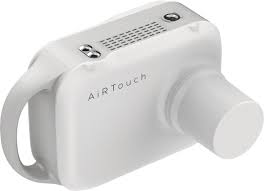
Reasons for Recommendation:
- Combines a handheld X-ray generator with an integrated Intel processor-based computer and touchscreen. This allows users to acquire, view, and transmit images directly through the device without relying on an external computer.
- The device operates at 60 kV and 2 mA, with an adjustable exposure time ranging from 0.03 to 1.3 seconds. The system uses a Toshiba X-ray tube with a focal diameter of 0.8 mm, slightly larger than some competitors, but sufficient for most intraoral diagnostic needs.
- Excellent battery life, allowing for approximately 300 images on a full charge, with a charging time of only 2 hours.
Disadvantages:
- Very expensive (including the panel): The complete system, including sensors and software, is significantly more expensive than most handheld devices. This may not be cost-effective for clinics already equipped with digital imaging equipment.
- Large size and weight: The built-in computer and screen add to the weight. While specific specifications have not been released, users report that the device is significantly heavier than most similar products, causing fatigue during prolonged handheld use.
- Complexity: Managing a full Windows environment in a handheld device can present numerous problems. If not managed properly, software updates, system errors, or crashes can disrupt clinical workflows.
8.2 Maven GE AMX - 4 Plus Portable X-ray with Wireless DR Panel Package
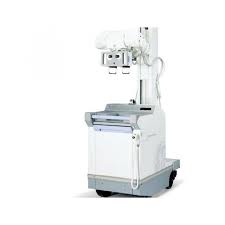
Recommended Reasons:
- This model is a high-performance portable X-ray suitable for dental clinics or general medical facilities with mobile treatment needs and high requirements for equipment stability.
- The equipment is stable and has been fully optimized. Core components have been replaced with original parts, and the structure has been reinforced, including upgraded locking components and replaced high-voltage cables.
- It is practical and flexible in function. The stand can rotate ±270° for easy adjustment of the imaging angle. It comes with 14x17-inch and 10x12-inch wireless flat panel detectors to adapt to various imaging needs.
- It comes with a 12-month parts warranty and a 12-month proportional warranty on the battery, plus free technical support.
Disadvantages:
- The price is as high as $64,500 USD, with procurement costs far exceeding those of ordinary handheld dental X-ray machines. Small clinics may find it unaffordable.
- Although the device is portable, after component replacement and structural reinforcement, it is heavier than ordinary handheld models, requiring assistance from multiple people or the use of a trolley when moving it, thus reducing its flexibility.
- Due to its numerous components and relatively complex structure, repair procedures may be cumbersome in the event of a malfunction.
9. VATECH
VATECH is a leading global dental imaging equipment brand originating from South Korea, holding a significant position in the dental X-ray machine field thanks to its numerous pioneering technologies and comprehensive R&D capabilities. Today, it has evolved into a small-scale CT specialist company, achieving in-house production of core components such as detectors and generators, and integrating cutting-edge technologies like AI and carbon nanotubes into its dental imaging equipment. VATECH's business covers more than 100 countries worldwide. In China, it assembles, manufactures, and sells its products through Shanghai Yiyou. Its products hold leading market shares in the oral X-ray market in many regions globally, with annual sales and the number of technology patents both at the forefront of the industry. Below are two recommended models from this brand:
9.1 Vatech Green CT 2
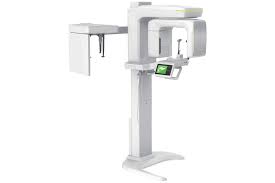
Reasons for Recommendation:
- As the brand's flagship 4-in-1 digital X-ray machine, it is suitable for specialized dental hospitals or large high-end clinics performing complex implant surgeries and maxillofacial surgery.
- It features a 49.5μm high-resolution X-ray sensor, delivering industry-leading image clarity.
- It offers multiple field-of-view options, including 18x10 and 16x9 sizes, catering to both single-tooth examinations and large-area scans covering the entire dental arch and sinuses.
- It integrates panoramic, cephalometric, CBCT, and model scanning functions, employing low-dose technology to minimize patient radiation exposure while maintaining image quality, making it suitable for radiation-sensitive populations such as children and the elderly.
Disadvantages:
- As a high-end flagship model, its procurement cost is significantly higher than that of ordinary dental X-ray machines, making it unaffordable for small clinics.
- The complexity of its functions necessitates a high level of expertise in operation and maintenance, requiring systematic training for medical staff to operate it proficiently.
- Maintenance costs are relatively high.
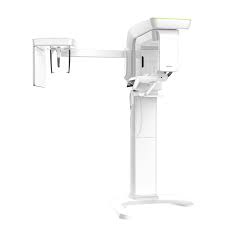
9.2 Vatech Smart Plus
Recommendation Reasons:
- This model is suitable for small to medium-sized dental clinics with regular 2D and 3D imaging needs, emphasizing efficient diagnosis and treatment and convenient operation.
- Its core advantage is "dual imaging in a single scan," simultaneously acquiring CT images and automatically generated panoramic images in a single scan. This reduces patient radiation exposure and eliminates the need for medical staff to switch software to view images, improving diagnostic efficiency.
- Its arched imaging volume design provides a complete view of the dental arch, preventing the omission of critical areas such as wisdom teeth.
Disadvantages:
- Installation requirements are additional. For wall-mounted installation, an extra 76.2 mm of space needs to be reserved behind the device, which may limit its effectiveness in some clinics with limited space.
- Compared to flagship models, its maximum imaging field of view is limited, making it less suitable for large-scale diagnostic needs such as whole-head scans, and its functional expandability is slightly weaker.
10. iRay
iRay is a brand under iRay Technology, focusing on core components and comprehensive solutions for X-ray imaging. iRay Technology has deep technical expertise in the field of X-ray imaging. Its iRay brand not only manufactures complete dental X-ray machines but also develops core components such as the Gemini series, which are compatible with dental CT scanners and panoramic X-ray machines. The brand's dental X-ray machines emphasize portability, digitalization, and high safety, suitable for various scenarios including mobile clinics, small clinics, and large dental institutions. With its lightweight design and intelligent connectivity, it enjoys high recognition in the global portable dental imaging equipment market. Below are two recommended models from this brand:
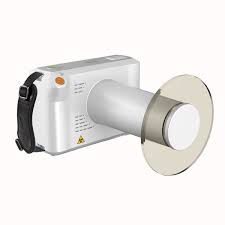
10.1 iRay Canis 014D07
Reason for recommendation:
- This is a handheld intraoral X-ray machine suitable for multiple scenarios, ideal for small dental clinics, mobile clinic teams, and community dental service points.
- Extremely convenient to operate and carry, weighing only about 2kg, featuring a handheld camera design for comfortable grip, a 7-inch LCD touchscreen, and an Android operating system, allowing healthcare professionals to quickly get started.
- Highly efficient imaging and data management, equipped with a 70kV/2mA oil-cooled vacuum tube, and with the iRay intraoral image sensor, enabling instant image viewing and intelligent image post-processing.
- Large internal memory can store 2000 images, and the built-in patient information management system can complete data acquisition and management without a computer connection.
Disadvantages:
- The Canis uses an Android operating system and built-in software, requiring user training. Furthermore, technical issues or software updates may occur, which may not be suitable for all clinical teams.
- Positioned at a high-end price point, especially when bundled with the iRay sensor. Users who do not require on-device image preview may find more economical options.
- No shooting count published. The touchscreen may increase power consumption, meaning its battery life may not be as long as models with extended battery life. A spare battery is recommended for extended use.
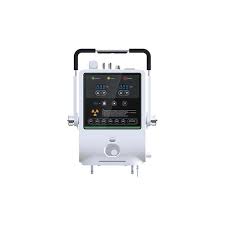
10.2 iRay Canis 5A
Recommendation Reasons:
- This model is a multi-functional portable X-ray machine, suitable for small to medium-sized dental clinics with routine dental imaging needs and a focus on treatment efficiency. It can also handle some mobile treatment scenarios.
- Highly practical and efficient, equipped with a 5kW X-ray power supply for high power density. It also features 6 shortcut keys for storing exposure parameters, reducing parameter setting errors and improving imaging efficiency.
- Flexible connectivity, supporting both Bluetooth and wired connections, allowing easy integration with computers for convenient image processing and archiving.
- Compact and lightweight design, requiring minimal clinic space and eliminating the need for a dedicated large equipment area.
Disadvantages:
- Compared to professional fixed dental X-ray machines, its imaging accuracy is less optimized for complex dental scenarios. For example, it may not capture the details of minor dental root cracks as well as high-end panoramic or CT scanners.
- Its portable design focuses on basic treatment and lacks advanced features such as AI-assisted diagnosis, making it difficult to meet the complex treatment needs of mid- to high-end clinics.
11. Conclusion
The above is ArKang's selection of the top 10 best dental X-ray machine brands and recommended models for 2026. Purchasing a dental X-ray machine is a significant investment for dental clinics. Besides the brand, factors such as the clinic's actual needs, budget, and after-sales service must be considered. If you would like to learn more about dental X-ray machine pricing and cost factors, please read ArKang's related articles.
Of course, if you are looking for reliable dental x-ray machine suppliers, please feel free to contact ArKang. As a company with 23 years of experience in X-ray imaging, we are confident in providing you with professional and reliable comprehensive support.


